


Ethylene oxide molecules in the HA2 EO sterilization process

EO Sterilization


Medical devices are subject to specific requirements regarding safety and biocompatibility. To ensure they can be used safely, sterility is an essential prerequisite.

Medical devices are manufactured from various materials and material combinations and are sometimes very complex in design. As a result, they often cannot be exposed to the high temperatures of steam sterilization or the radiation of irradiation sterilization. Sterilization with ethylene oxide (EO) is therefore the preferred method for sterilizing these products.


About the procedure

EO Sterilization at HA2

Sterilization with ethylene oxide is a proven, globally used, and highly standardized sterilization process; as a technically mature method, it offers a reliable option for sterilization that is gentle on materials. Unlike other technologies, EO has a sterilizing effect even at low temperatures and is therefore particularly well-suited for plastics. During this process, EO gas penetrates both the packaging and the product itself, destroying all viable microorganisms.
 

Request information now

At a glance

Advantages of the EO process

Protection of sensitive materials

High compatibility with materials and packaging

Suitable for complex and multi-component medical devices

A globally recognized and standardized procedure

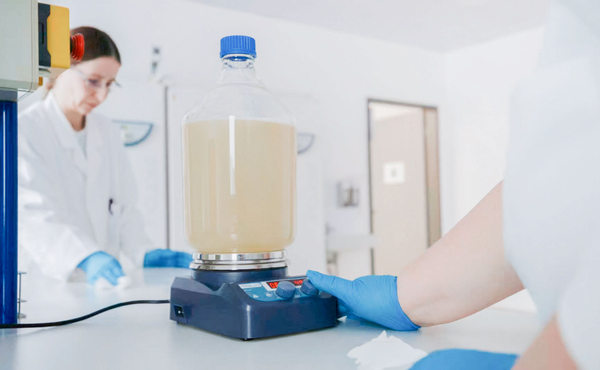
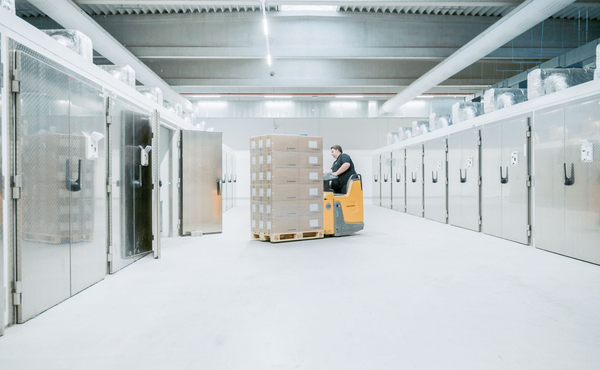
Lab work for HA2A forklift operator transports medical supplies to one of the sterilization chambersDaniel Schiel and Marlene Mulders at the HA2 campWorking in the HA2 warehouse

Process

Here's how EO sterilization works

The sterilization process follows a clearly defined and validated procedure in which all process-relevant parameters are coordinated on a product-specific basis:

  • Gas concentration
  • Temperature
  • Relative humidity
  • Exposure time
     

Goods Received

The customer delivers the goods to be sterilized fully packaged on Euro pallets. The goods are then placed in the holding area. Each pallet is equipped with a color indicator for visual inspection and a bioindicator for subsequent microbiological testing.

Pre-conditioning

During preconditioning, the products are tempered and humidified in accordance with a validated process.

Sterilization

After repeated humidification under negative pressure, the goods are treated with a precisely defined amount of EO over a precisely specified period of time.
Once the exposure period has elapsed, the gas is vented from the sterilization chamber via a special exhaust system and disposed of.

Reconditioning

In special post-conditioning chambers, the separation of the gas from the products is facilitated by precise temperature control and high air exchange rates.

Microbiological testing

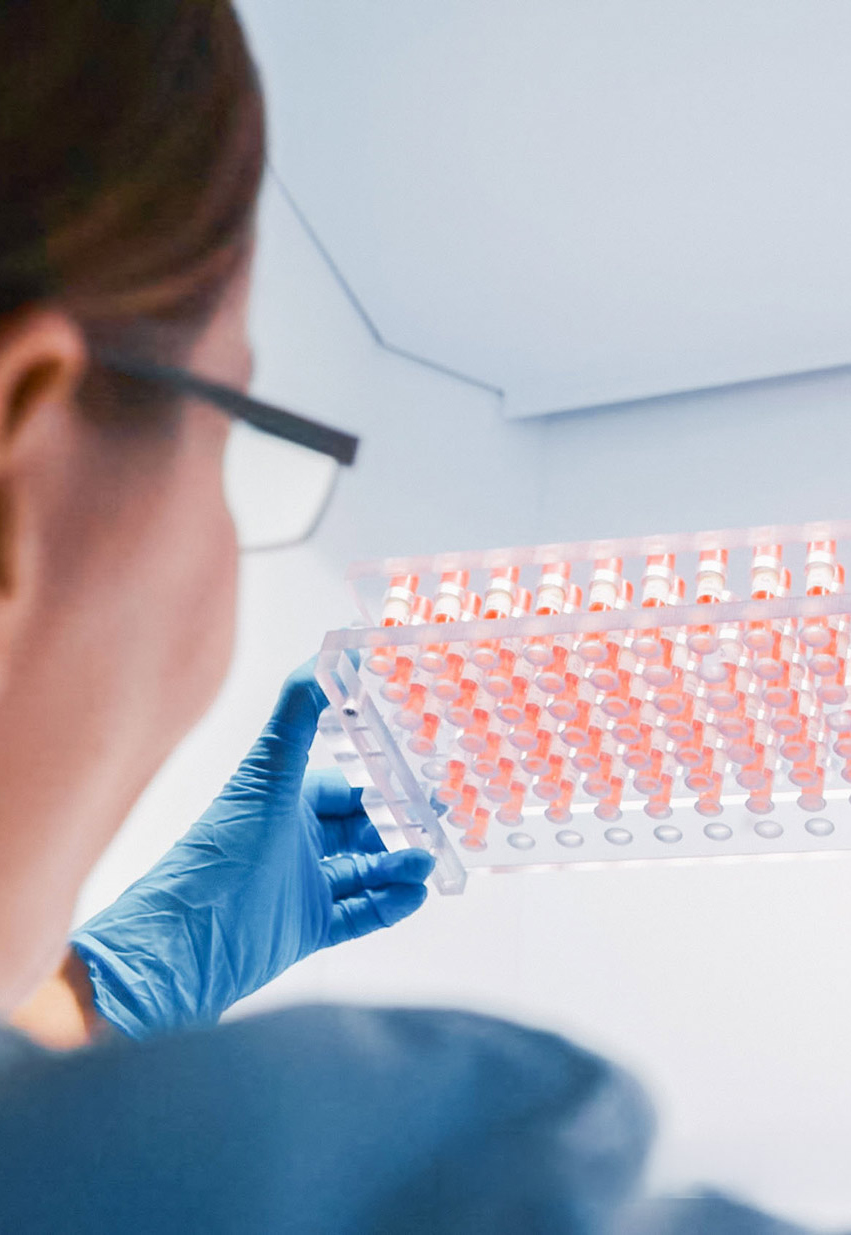
The bioindicators are analyzed in our in-house laboratory to confirm that sterilization was successful.

Quarantine facility and goods issue

The sterile goods are transported to the quarantine warehouse and stored there until they are picked up.

How can we help you?

Your contact person

Picture of Marlene Mulders at HA2

Director of Business Development
Marlene Mulders

+49 152 03107905
marlene-mulders@ha2-medizintechnik.de


FAQ

Answers about EO Sterilization

Here you will find answers to frequently asked questions about our sterilization methods, processes, and quality standards.

What is the advantage of EO sterilization over other methods?

EO sterilization is performed at low temperatures and is therefore particularly suitable for sensitive medical devices that cannot tolerate either high temperatures or ionizing radiation. The process is also suitable for products with complex geometries or combinations of different materials. Another advantage is the good penetration of packaging and products, ensuring reliable sterilization.

How does the sterilization process work at HA2?

The process follows a clearly defined and validated procedure in which all relevant parameters are coordinated on a product-specific basis. After goods receipt, preconditioning, ethylene oxide sterilization, post-conditioning, and microbiological testing in the in-house laboratory take place. The goods are then stored in the quarantine warehouse until release and prepared for shipment.

Why is validation necessary before routine sterilization?

Validation ensures that the sterilization process used reliably achieves the required sterility under defined conditions. In this process, the process parameters are established in such a way that the success of sterilization is reproducible and consistently assured. Only after successful validation can the process be incorporated into routine sterilization.

How does HA2 ensure process reliability and quality?

HA2 utilizes state-of-the-art, precisely controlled plant technology and continuously monitors all relevant process parameters. This is complemented by measurement and documentation systems, internal and external audits, and a quality management system with clearly defined and monitored procedures. This ensures process reliability, traceability, and regulatory compliance on an ongoing basis.